
With hundreds of flights cancelled as a result of conflict in the Middle East, a growing number of holidaymakers across Europe are switching from air to rail to avoid travel chaos this summer season.
It comes as two of Europe’s biggest airlines have cancelled hundreds of flights amid soaring fuel costs triggered by the Middle East war.
Last week, Lufthansa said that a regional subsidiary, Lufthansa CityLine, would be suspending operations from Saturday amid high kerosene prices and labour dispute, while KLM said it had cancelled 160 flights in the next month due to rising fuel costs.
The disruption follows a bleak warning from the International Energy Agency (IEA), which warned the continent has ‘maybe six weeks’ of jet fuel remaining amid continued instability linked to the Middle East conflict.
With uncertainty in the skies growing, many travellers are now looking to Europe’s vast rail network as a more reliable – and, in some cases, a more affordable – alternative.
Luckily, there are many European hotspots are easily accessible from the UK by train, featuring direct routes averaging under three hours – and costing as little as £85.
France
A growing number of holidaymakers across Europe are switching from air to rail to avoid travel chaos this summer season – but where are the most affordable direct routes to hotspots from the UK?
France stands out as one of the most affordable options, especially for travellers who are flexible – and train journeys are very quick.
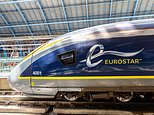
In mid-May, the cheapest return tickets on the Eurostar service from London to Paris Gare du Nord currently cost £180, with two pieces of luggage, a small bag and onboard Wi-Fi included.
Journeys take less than two-and-a-half hours to and from London St Pancras International.
In comparison, return flights with budget carriers like easyJet sit between £150 and £300 on Skyscanner during the same week – though luggage allowance is limited to just an underseat carry-on.
To include a large cabin bag, easyJet passengers must pay an extra £44.73.
Flights to the capital’s largest and busiest hub, Paris Charles de Gaulle Airport (CDG), take just over an hour from London Stansted, under two hours from Glasgow Airport, and 1 hour 35 minutes from Manchester Airport.
With the recent full implementation of the new digital EES system, passengers travelling from UK airports are expected to arrive at least three to four hours before departure.
Meanwhile, Eurostar travellers will find a recommended time on their ticket shortly after purchasing, which takes into account how much time is needed for pre-departure checks such as ticket, security, and border checks.
Once in France, travellers have plenty of cross-country rail options to export various regions, with round-trips from Paris to Bordeaux costing around £72 in May, taking just over two hours.
Those craving a slice of Mediterranean sun while close to home can head to Nice from Paris for the weekend for £117, with rail journeys taking around six hours.
Netherlands
UK travellers can take a four-hour Eurostar train to Amsterdam (pictured) from London
Those scheduling a trip to the Netherlands can also hop onboard a four-hour Eurostar train from London St Pancras International to Amsterdam-Centraal.
Round-trips go for as little as £200 in mid-May, and standard tickets include two pieces of luggage, a small bag and onboard Wi-Fi.
Meanwhile, return flights from the UK to the Dutch capital cost around £130 on easyJet – not including large cabin bags, which are priced at an extra £41 per passenger.
Not only will rail travel to Amsterdam typically cost UK travellers more money, train journeys will take up a larger portion of their day compared with flights.
From London Gatwick, flights take around an hour and 10 minutes, while both Edinburgh and Newcastle journeys take around an hour and a half.
As with travel to Paris, passengers must account for potential EES rollout delays when making their way to airports and stations.
In the Netherlands, passengers can easily travel from the capital to key cities across the country, with round-trip, one-hour rail journeys costing just £18 to Rotterdam and 27-minute commutes to Utrecht costing less than £10.
Belgium
In Belgium, domestic rail travel is a breeze, with the Brussels-Antwerp a popular route that takes 43 minutes (pictured)
Both rail and air journeys from the UK to Belgium have their advantages while sharing little difference in overall ticket price.
The cheapest return journeys to from St Pancras to Brussels cost around £180 in May, take just over two hours in either direction, and include two pieces of luggage, a small bag and onboard Wi-Fi.
Flights from the UK to the Belgian capital are, by a small margin, more affordable, with round-trips via British Airways costing £133 from London Heathrow (1 hour 10 minutes).
Unlike many other short-haul carriers operating from the UK, all passengers on British Airways flights are entitled to bring one piece of large cabin luggage (56x45x25cm) on board, free of charge.
Those heading to Brussels from Edinburgh save even more money by travelling with Ryanair, with round trips costing just £94 and individual journeys taking 1 hour 45 minutes – though cabin luggage is famously not included on the Irish budget airline.
Once in Belgium, travellers can take round-trips from Brussels to Bruges for less than £30, with journeys taking around an hour. Another key route is Brussels-Antwerp, with returns costing around £15 and single journeys taking around 43 minutes.
Switzerland
In Zurich (pictured), travellers can continue to explore from Basel, with single journeys to the capital taking just over an hour
Travellers craving fresh alpine air and scenic Swiss landscapes can head to Basel and even Zurich from London, though some journeys require multiple stops and can take between six and eight hours to arrive at each destination.
In addition, rail travel to Switzerland comes at a steep cost, with London travellers expected to pay nearly £500 for standard return tickets to Basel in May.
Journeys from the UK are divided between Eurostar, SNCF’s TER, TGV and INOUI trains, and it appears passengers can bring on board one hand luggage and two large suitcases on each operator’s trains.
On TGV trains, Wi-Fi, an onboard bistro and nursery space are all available.
However, flights might be the better option for those hoping to save time and money – providing travellers are fine with being limited to an underseat bag.
For round trips, easyJet flights operate from London Gatwick to Basel for as little as £179, with the option of adding a large cabin case for £45.48.
And while single journeys from Gatwick take around 1 hour 40 minutes, passengers travelling from Scottish airports in Edinburgh and Glasgow will be required to take a connecting flight from a London hub, with some journeys exceeding six hours in total.
Once in Switzerland, travellers can continue to explore endless destinations from Basel, with single journeys to Zurich taking just over an hour and costing as little as £41 for round trips.
Single routes from Basel to Geneve, meanwhile, take almost three hours, and cost significantly more for returns at £88 in May.
Italy
For travellers interested in the Rome-Milan route (pictured), rail tickets average £81
Travellers keen on heading to Italy via rail will need to prepare themselves for an equally lengthy journey as with Switzerland, with routes from London taking around six hours to Milan.
The cheapest way to get to the Italian city is by taking a two-hour Eurostar from St Pancras to Paris (round trips cost £180) before hopping on a connecting 7-hour train to Milan (round trips from Paris cost around £170 in May).
In total, a return trip will cost around £350, though two large suitcases and hand luggage is included in ticket costs.
Meanwhile, return fares for 15 to 17 May are almost a sixth of the cost of a rail journey, starting from approximately £50 on airlines such as Ryanair, though passengers are limited to an underseat bag and 10kg overhead locker bag on this airline.
Flights from London Stansted take around 1 hour and 55 minutes, while Birmingham airports operate direct two-hour routes. Those travelling from Liverpool will be required to take a connecting flight at Dublin in May, with flights totalling five hours.
Within Italy, however, rail travel is both affordable and efficient. On the popular, three-hour Rome to Milan route, return train tickets cost around £81, compared with roughly £110 for flights between the two cities.
Other options include Milan-Bologna, which takes around one hour and costs around £53 for a return trip.
Germany
In Germany, single journeys from Berlin to Frankfurt (pictured) take around 4 hours, costing just over £134 for a round trip in May
Travellers heading to Germany in mid-May will find rail travel offers a strong balance between price and convenience.
While rail travel to Berlin from London is possible via Brussels and Köln, total journey times can exceed eight hours and ticket prices often surpass £180 return, with standard-sized suitcases included in standard tickets for Köln Hbf trains.
From the UK, direct flights to cities like Berlin, Munich and Frankfurt take between one hour and 45 minutes and two hours, with return fares starting from £90 depending on departure airport and airline.
From London Gatwick and London Luton, single journeys take just under two hours, and round-trips cost as little as £144 via easyJet in May.
As previously stated, passengers will be required to pay around £40 more to take one large piece of hand luggage on board, whereas underseat bags are included in a standard ticket.
Within Germany, routes such as Berlin to Munich take four hours and cost around £79 return by train when booked in advance, making rail significantly cheaper than flying, where return fares between the two cities average closer to £137.
Meanwhile, single journeys from Berlin to Frankfurt take around four hours, costing just over £134 for a round trip in May.
Germany’s extensive network, operated by Deutsche Bahn, also means journeys are frequent and reliable.
Spain
Pictured: High-speed train crossing a viaduct in Purroy, Zaragoza Province, Aragon in Spain, AVE Madrid Barcelona
While Spain continues to offer some of the best-value air options from the UK, getting there by train will take a tad more planning and time – but it may be necessary if you don’t want to rely on planes amid the jet fuel crisis.
Journeys from London St Pancras to Barcelona takes a total of around 11 hours, requiring a stop in Paris Gare du Nord, a switch at Paris Gare de Lyon, and onward travel to Barcelona.
Longer journeys, which can exceed 19 hours, are cheapest for travel (£452 returns), whereas the 11-hour journey costs a whopping £577 for a round-trip in May.
Passengers on these rail routes can bring o two pieces of luggage and one hand luggage, with a bistro and nursery areas provided INOUI services.
From the UK, flights to Barcelona, Madrid and Malaga take between 2 and 2 hours 30 minutes, with return fares in mid-May starting from around £52 on airlines like Vueling.
For London passengers, journeys to Barcelona take around two hours and cost as little as £52 from Gatwick and Luton, while those travelling from Bristol pay a higher cost of £122 via Ryanair for roundtrips – though it takes the same amount of time to get to Spain.
While travellers can take a 10kg overhead locker bag on Ryanair for free, passengers must pay an extra £68 to bring luggage of the same size and weight onto Vueling flights.
Domestic high-speed rail journeys within Spain are much quicker and cheaper than it is to travel there on trains from the UK.
The popular Madrid to Barcelona route takes just under three hours by train, with round-trip tickets costing from £72 – making it one of the most affordable high-speed journeys on the continent.
Other routes include Barcelona to Seville, with the quickest single journeys taking six hours and round-trips costing £256 in May.
Visit Europe by air
Route
London to Paris
London to Amsterdam
London to Brussels
London to Basel
London to Milan
London to Berlin
London to Barcelona
Time
1 hour
1 hour 10
1 hour 10
1 hour 40
2 hours
2 hours
2 hours
Return £
£150
£130
£133
£179
£50
£144
£52
Visit Europe by train
Route
London to Paris
London to Amsterdam
London to Brussels
London to Basel
London to Milan
London to Berlin
London to Barcelona
Time
2.5 hours
4 hours
2 hours
<8 hours
6 hours
6 hours
11 hours
Return £
£180
£200
£180
£500
£350
£180
£577
Source link
CHECK OUT: Top Travel Destinations
READ MORE: Travel News