
Bulgaria has launched its first-ever digital nomad visa, creating a formal route for remote professionals to live and work in the country.
The Balkan nation officially began accepting applications on 30 December, 2025.
The new permit is open to foreign nationals from outside the EU, EEA, and Switzerland who work remotely for employers or run businesses abroad.
There are a number of eligibility requirements for those looking to apply, with applicants first required to obtain a multi-entry visa before requesting residence in Bulgaria – a process that can take between four and eight weeks.
After arriving in the country, applicants must resubmit their documents to the Bulgarian government, a step that takes two to four weeks for processing before the final identification card application, which takes up to 30 calendar days to process.
Applicants must also prove they receive an average annual income of at least €31,000 (around £27,000) – 50 times the minimum monthly salary of €620 (£540) as of January 2025.
Resident permits are valid for one year and are renewable once for another year, indicating this particular visa is not a direct route to settlement in Bulgaria unless holders shift to alternative residency status.
According to legislation, there are three categories of eligibility for a digital nomad visa.
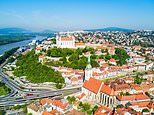
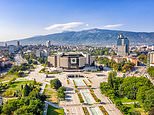
Bulgaria has launched its first-ever digital nomad visa for remote workers from outside the EU, EEA, and Switzerland (Pictured: Sofia, Bulgaria)
There are a number of requirements, such as applicants being able to prove they receive an average annual income of at least €31,000 (around £27,000)
The first covers non-EU/EEA/Swiss citizens working remotely for companies outside these regions and earn the minimum required salary, according to Travel + Leisure Asia.
The second category covers foreign individuals who hold management positions or have significant ownership (over 25 per cent) in companies based outside the specified regions, but only if their company doesn’t serve clients inside Bulgaria.
The third category is for self-employed digital nomads who have worked remotely for over a year using technology for clients outside Bulgaria, have earned income from abroad, and are not engaged in freelance work or employment for Bulgarian companies.
Remote professionals must be able to show employment contracts to their employer, and those providing remote services must provide service and recommendation contracts from clients.
Through the permit, holders are also able to sponsor dependents through a family reunification process, as reported by Savory & Partners.
Meanwhile, New Zealand has drastically relaxed its visa requirements in a bid to lure digital nomads to the country as it attempts to revitalise its tourism sector.
Under the new rules, visitors can carry out remote work for up to 90 days without breaching visa conditions.
However, those staying longer could face potential tax implications.
After arriving in Bulgaria, applicants must resubmit their documents to the government, a process that can take between two to four weeks
The policy is designed to attract ‘digital nomads’ – individuals who combine work and travel, according to Immigration Minister Erica Stanford.
‘The change will enable many visitors to extend their stays, which will lead to more money being spent in the country,’ Stanford said, highlighting the economic benefits of the move.
The relaxed rules apply to all visitor visas, including those for tourists and individuals visiting family, partners, or guardians on longer-term visas.
However, only remote work for overseas employers is permitted.
Share or comment on this article:
Popular tourist hotspot launches digital nomad visa for remote workers
Source link
CHECK OUT: Top Travel Destinations
READ MORE: Travel News