

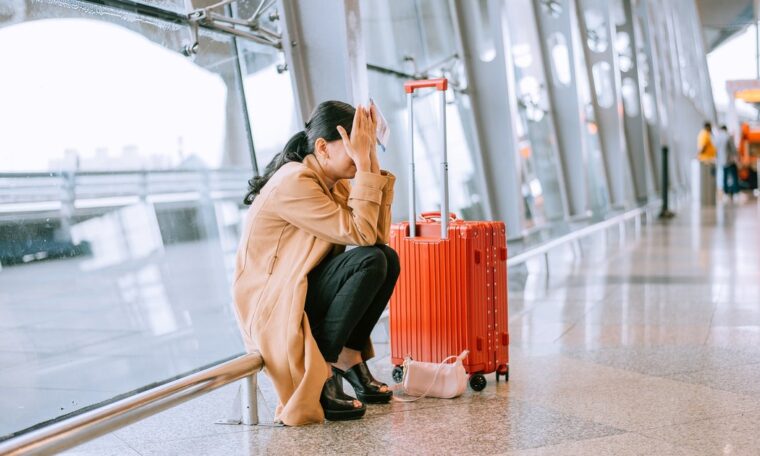
It’s an understandable urge. After being bombarded by disturbing news cycles and relentless stressors in everyday life, sometimes you just want to get away from … everything.
Enter “rage booking.”
“Rage booking refers to the impulsive decision to book travel as an emotional response,” travel writer Rocky Trifari told HuffPost. “It is often triggered by stress, frustration, burnout or negative news cycles. Instead of carefully planning a trip over time, people act quickly, using travel as an immediate escape or reset.”
The term “ragecation” also captures this kind of impulse travel in response to emotional overwhelm.
“Americans are dealing with overlapping stressors, including current events, economic pressure, job strain and a heavy news cycle, while also viewing travel as a key form of self-care,” said Lauren Gumport, vice president of communications and brand at Faye Travel Insurance.
A travel trends report from Faye identified rage booking as a rising phenomenon ― part of something the brand calls “the emotional travel economy.”
“The term ‘rage booking’ has emerged alongside rising burnout levels, with 52% of Americans reporting they currently feel burnt out, and reflects a shift toward using travel as an immediate coping mechanism rather than something carefully planned in advance,” Gumport explained.
She noted that nearly one in three people surveyed said taking a vacation was their best way to handle burnout, above meditation or exercise. “Rage booking” is thus a natural extension of that mindset.
“Instead of waiting for the perfect time to travel, they book the trip in the moment because they need a break,” said Toni Ambler, chief customer officer for the social group travel company Contiki. “Travel becomes a way to swap burnout for something exciting and spontaneous.”
Younger travelers, particularly millennials and Gen Zers, are driving the rage booking trend.
“The current climate has likely amplified this behavior,” Trifari said. “People are more constantly exposed to stressful information than ever before, and it creates a sense of mental fatigue and lack of control. Travel becomes a way to reclaim that control by physically removing yourself from the stressful environment.”
The mere act of booking travel can feel like a way to take action when everything feels overwhelming.
Rage booking is a natural impulse amid the relentless stress of a disturbing news cycle and day-to-day burnout.
“I think a lot of people are feeling mentally and emotionally overloaded right now,” said travel blogger Esther Susag. “When the news cycle feels constant and heavy, it’s hard to fully disconnect, even when you try.”
Faye’s survey data found that key drivers of burnout among travelers include financial anxiety (61%), the economy (54%), politics (43%) and the news (41%).
“Rage booking is closely tied to the emotional weight of current events,” Gumport said. “Constant exposure to stressful headlines and uncertainty is pushing people to seek escape, with travel becoming a way to temporarily disconnect for some.”
At its core, rage booking is an immediate, action-oriented response to burnout and stress.
“To me, rage booking is that very human moment where you hit a breaking point and think, ‘I just need to get out of here,’” Susag said. “It tends to happen when you’ve been sitting in the same routine or headspace for too long, and booking a trip feels like taking back a little control. It’s impulsive, but in a way that’s rooted in wanting something better for yourself, even if you don’t fully have it mapped out yet.”
She emphasized that rage booking is less about the destination and more about chasing the feelings of relief and excitement and a healthy reset.
“This weekend, I booked a trip to El Salvador which I would consider a form of rage booking,” Trifari said. “At times, the stress and realities of daily life can feel never-ending. If you’re someone who values travel, having a trip planned gives you something concrete to look forward to, and that alone can significantly relieve stress.”
There are clear pros — but also some cons — to rage booking.
“There are real benefits to rage booking,” Trifari said. “It can provide something immediate to look forward to, break negative thought patterns and create a sense of autonomy. In many cases, a change in environment genuinely improves mood and perspective.”
According to Faye’s survey, 83% of travelers who rage-booked a trip said it made them feel better.
“Many report noticeable emotional relief within a few days of their trip,” Gumport said. “Travel creates distance from stress and offers something to look forward to.”
Altering your surroundings can alter your mindset and provide a powerful reset.
“Travel offers something really different,” Susag said. “It physically removes you from that environment and gives you space to breathe again. Even small things like being in a new place, hearing a different language or just having a different daily rhythm can shift your perspective in a way that scrolling never will. I don’t think people are necessarily trying to escape reality completely, but they are trying to step out of it long enough to feel like themselves again.”
Another upside is that rage booking gets people moving and taking concrete action.
“Sometimes we overthink travel so much that we never actually go, and rage booking cuts through that,” Susag said. “Some of the most memorable trips come from those slightly impulsive decisions because you’re more open, more present, and less focused on everything being perfect.”
There are potential downsides to rage booking that can add further difficulty, however.
“On the flip side, the impulsive nature can lead to overspending or unnecessary stress if things aren’t thought through at all,” Susag said. “I also think there’s a subtle downside if people expect travel to solve deeper issues. It can absolutely help you reset, but it’s not a long-term fix for everything.”
Trifari similarly warned against setting unrealistic expectations and rushing into bad situations.
“Impulsivity can lead to poor decisions ― overpaying, choosing inconvenient itineraries or traveling without fully considering logistics,” he said.
Klaus Vedfelt via Getty Images
Try to inject a little more intention and mindfulness into your “rage booking.”
Travelers should keep a few important factors in mind before they rage book.
Rage booking is a natural impulse, and it can still lead to a great travel experience. But you should try to add at least a bit of intention to the process.
“If someone feels the urge to rage book, I would suggest introducing a short pause ― 24 hours, if possible ― to refine the decision rather than cancel it,” Trifari said. “Use that time to check logistics, budget and whether the destination truly aligns with what you need ― relaxation vs. stimulation, nature vs. city.”
Take a beat and consider whether you’re looking to rest, connect with others, spend some time alone, explore beautiful landscapes, etc.
“According to survey takers, rage booking is less about luxury and more about relief,” Gumport said. “Travelers are prioritizing connection, affordability and nature-focused trips, signaling that travel is increasingly viewed as an emotional necessity rather than a discretionary indulgence.”
Build some flexibility into your plan to make the trip feel freeing, rather than stressful.
“I would say don’t lose the spontaneity, just give it a little structure,” Susag said. “Even a short pause before you book to ask yourself what you actually need out of the trip can make a big difference. If you’re feeling burned out, maybe that looks like a slower, more restful destination rather than packing your schedule. If you’re craving excitement, then lean into that instead.”
She recommended choosing a place that’s easy to navigate, particularly if you’re booking at the last minute. Take a moment to look into your travel insurance options if you’re paying anything nonrefundable upfront. You might also consider a group tour to cut down on the stress of planning.
“There’s also an instant mindset shift that happens when someone books that trip. The moment it’s confirmed, the stress starts to fade and the anticipation kicks in,” Ambler said. “Group travel can make that even easier, since much of the planning is already taken care of, from accommodations and transportation to experiences on the ground.”
Perhaps the most powerful thing you can do is manage your expectations around rage booking.
“The goal doesn’t have to be a perfect trip,” Susag said. “It’s just about giving yourself a change of pace and a bit of breathing room. That alone can do a lot.”
Just because you booked your trip in a state of stress or rage doesn’t mean you have to carry negative energy into your well-deserved break.
“Try to shift the mindset from ‘escape’ to ‘intentional reset,’” Trifari said. “When travel is framed that way, the experience tends to be more fulfilling, positive, and less reactive.”
Source link
CHECK OUT: Top Travel Destinations
READ MORE: Travel News